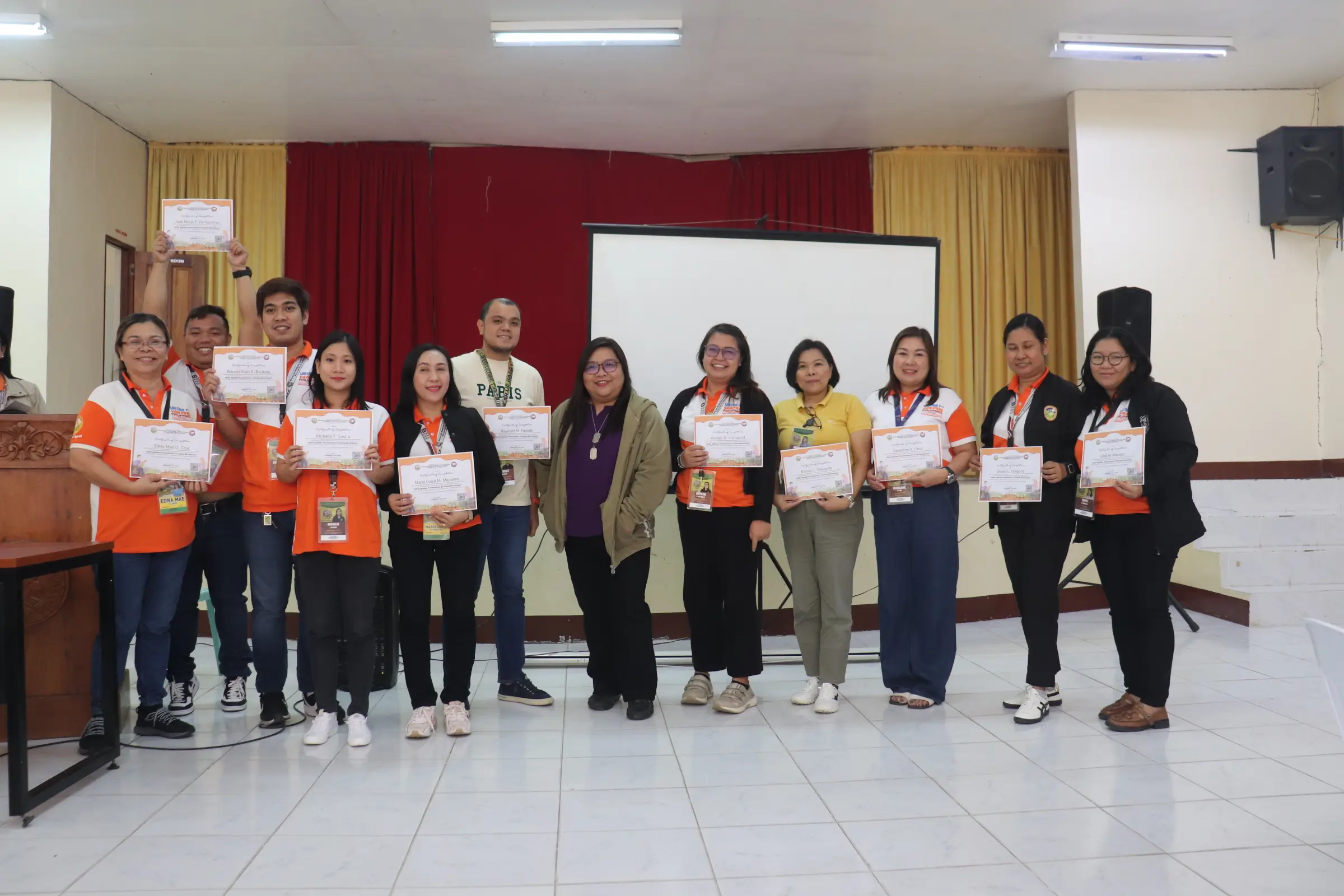
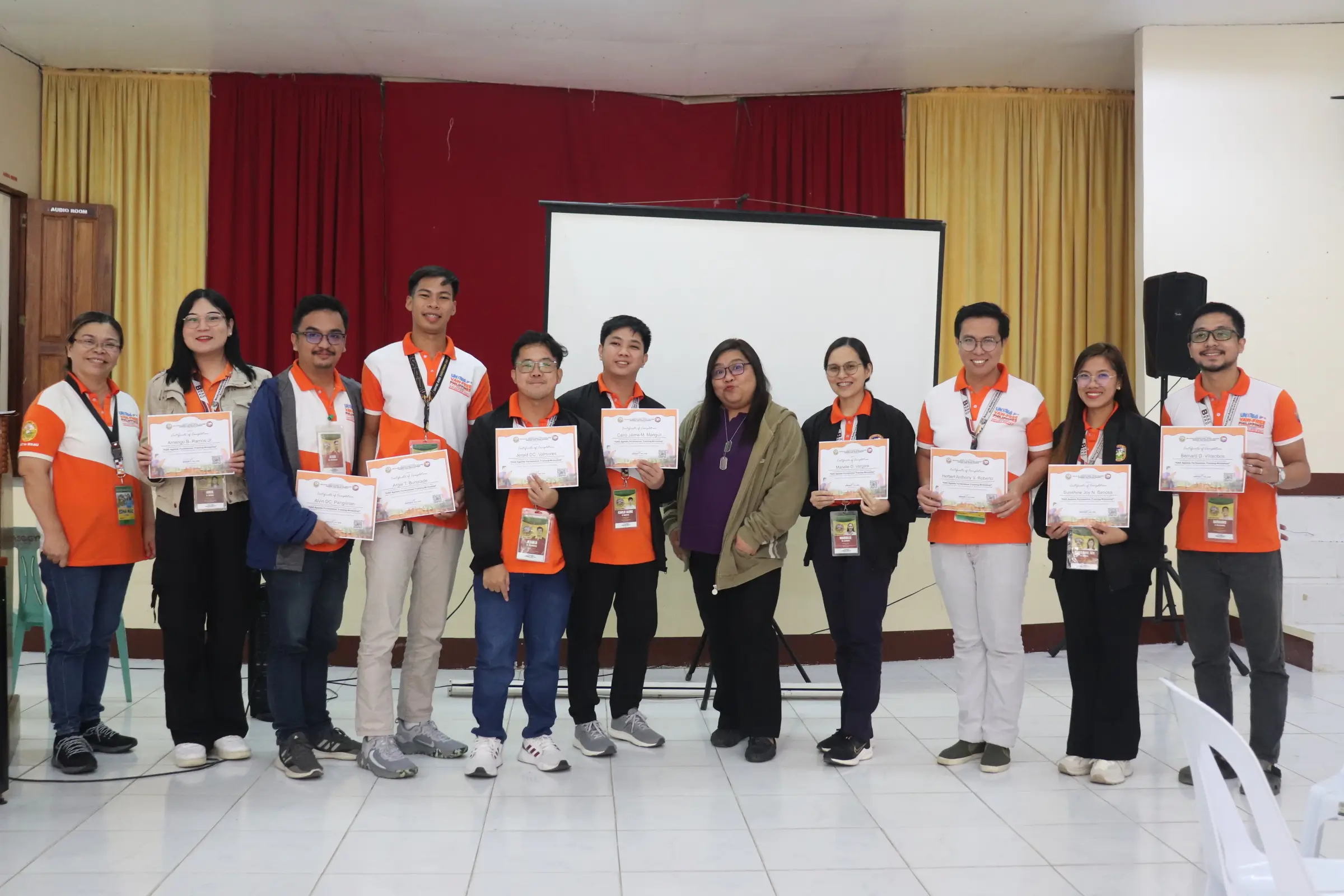
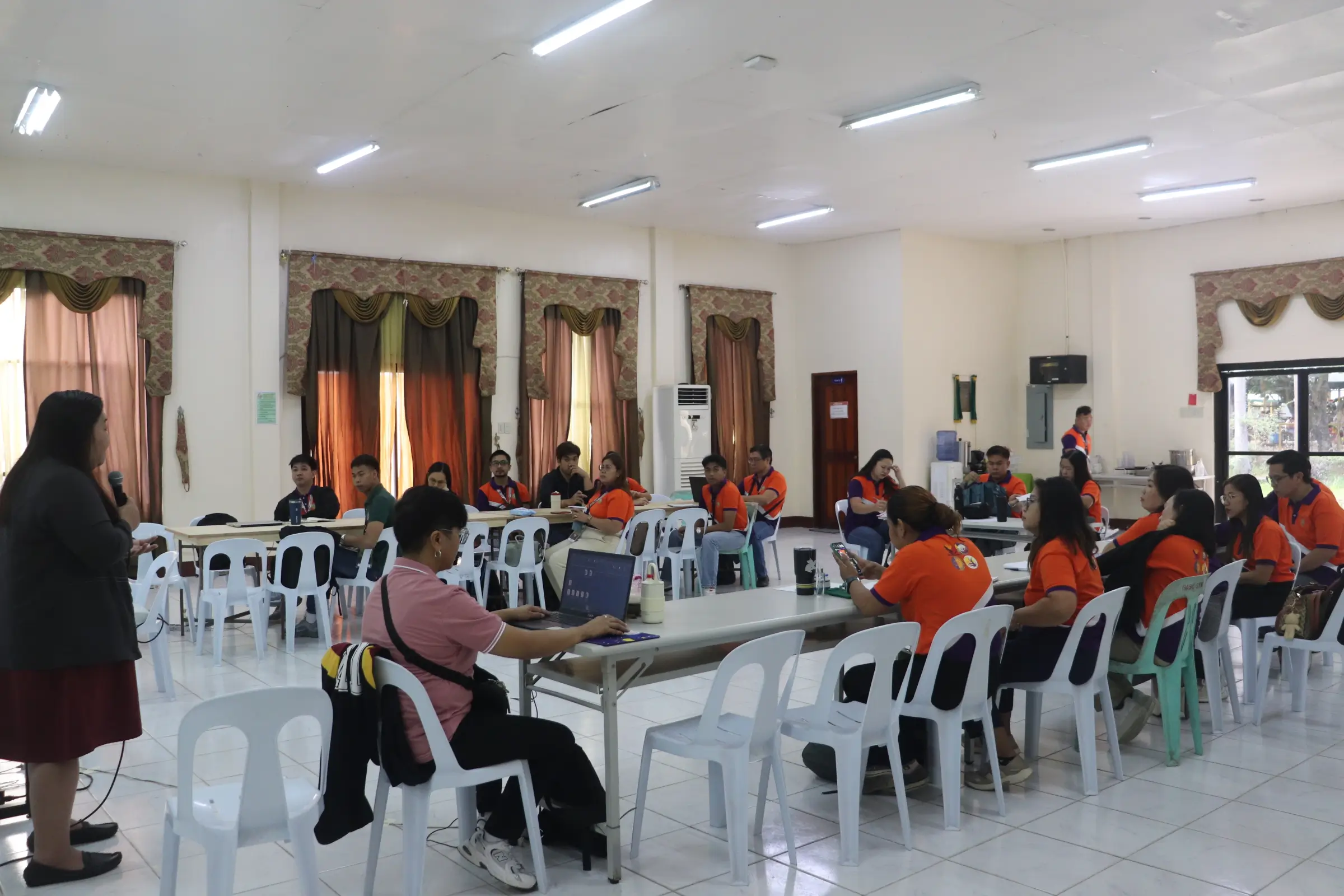
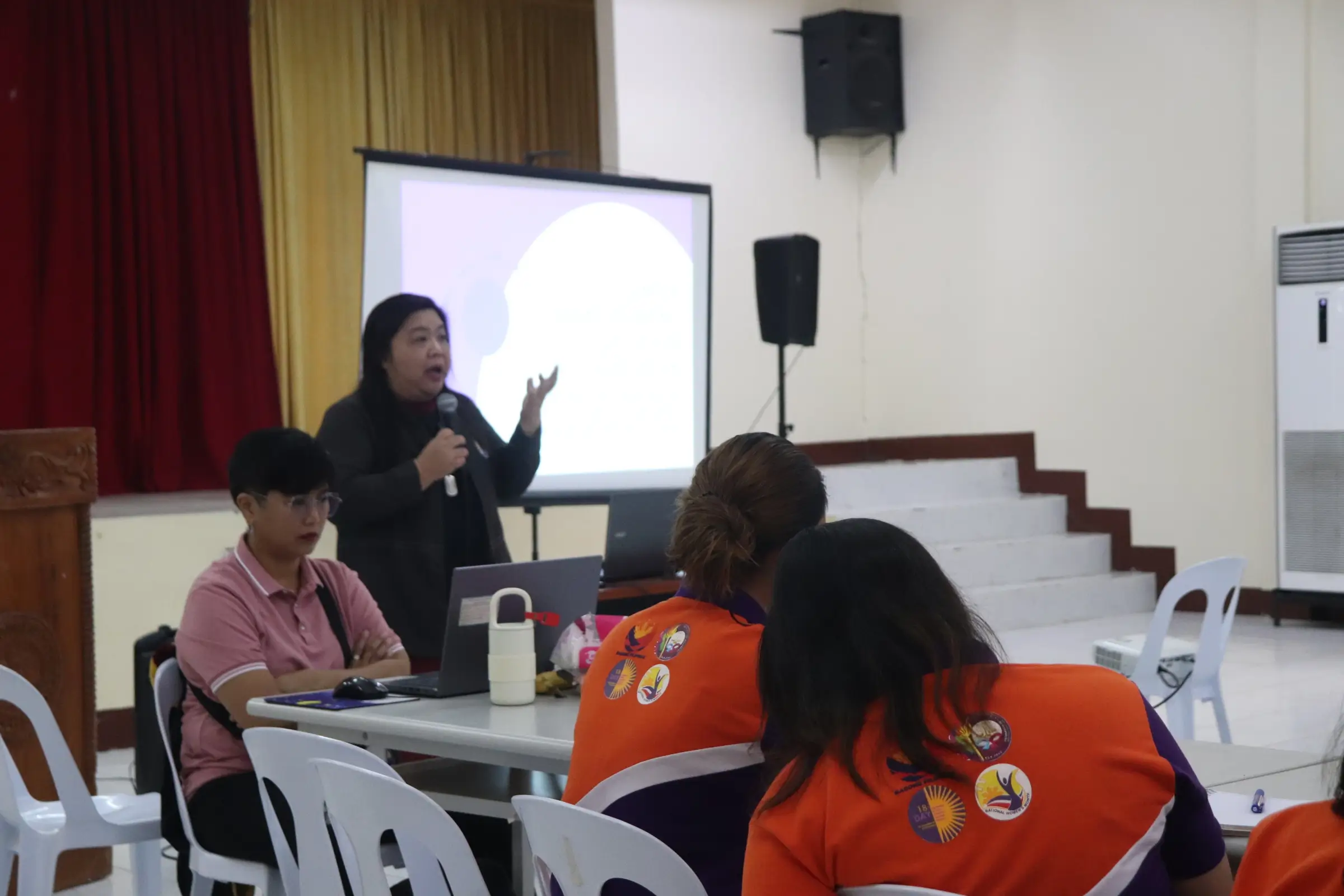
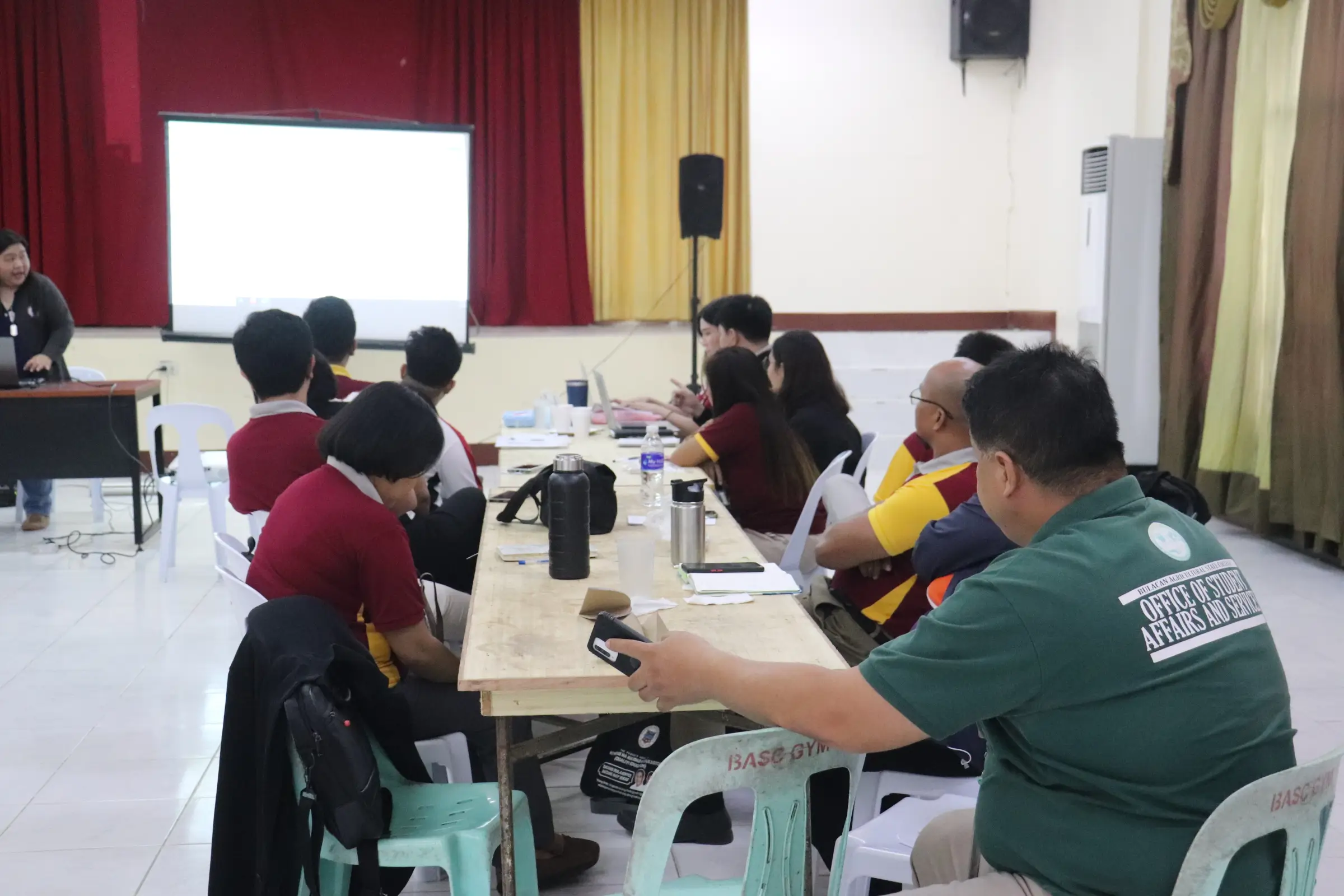
The Gender and Development (GAD) Agenda Formulation Training-Writeshop was conducted from January 7 to 10, 2025, at the Rene Cayetano Hall of Bulacan Agricultural State College (BASC). The activity brought together members of the Gender and Development Focal Point System (GFPS), faculty, staff, and other stakeholders to collaboratively formulate BASC’s GAD Agenda and strengthen the institution’s commitment to gender-responsive governance and development. Facilitated by Ms. Arlene Diosa I. Pascual, a Philippine Commission on Women (PCW)-Accredited National GAD Resource Pool member, with assistance from Ms. Jessica A. Buensuceso of Bataan Peninsula State University, the writeshop provided participants with the knowledge and tools necessary to mainstream gender perspectives in institutional policies, programs, projects, and activities.
The training began with a review of fundamental GAD concepts, mandates, and policy frameworks to establish a common understanding among participants. Discussions highlighted the importance of gender analysis and the use of gender-disaggregated data in identifying inequalities and designing appropriate interventions. Participants gained a deeper appreciation of how gender-responsive planning contributes to more effective, equitable, and sustainable development outcomes.
On the second day, participants explored the Gender Mainstreaming Evaluation Framework (GMEF) and examined gender-based analysis processes, including the identification of gender roles, responsibilities, access to resources, and the impacts of institutional programs on women and men. The group reviewed BASC’s GMEF assessment results, identified areas requiring improvement, and conducted problem-tree analyses to determine the root causes of gaps in gender mainstreaming and compliance. These exercises enabled participants to develop evidence-based strategies for addressing institutional challenges.
The third day focused on formulating BASC’s GAD Vision, Mission, and Goals. Through collaborative discussions and workshops, participants aligned the institution’s aspirations with GAD principles and crafted a vision of BASC as “a gender-responsive Smart Agricultural University by 2031.” They also developed goals aimed at strengthening partnerships, increasing stakeholder engagement in gender-responsive research and extension initiatives, and promoting the integration of gender perspectives across institutional operations.
During the final day, participants completed the remaining components of the GAD Agenda by defining outcomes, indicators, baseline data, targets, and strategic interventions. Discussions also centered on the operationalization of the GAD Agenda, including implementation, monitoring, evaluation, and reporting mechanisms. Emphasis was placed on institutionalizing gender mainstreaming through collective responsibility, leadership support, and sustained stakeholder engagement.
Overall, the four-day writeshop successfully produced key components of BASC’s GAD Agenda and Strategic Plan while enhancing participants’ capacities to champion gender equality and inclusivity within the institution. The activity reinforced BASC’s commitment to integrating gender-responsive approaches in education, research, extension, and governance, thereby contributing to a more equitable and inclusive academic community.